


The Grief of a Late Diagnosis: Relief, Anger, and the Question of Lost Time
Late diagnosis can bring relief. It can also bring grief.

For many adults, finally having language for their experience creates a powerful sense of recognition. Pieces of life that once felt random, confusing, or shameful may suddenly connect. Childhood memories make more sense. Relational patterns become clearer. Burnout stops looking like a personal failure. The effort it took to get through daily life finally has context.
That relief matters. It can be profound. And at the same time, many people are surprised by the grief that follows close behind it.

Grief for the years spent misunderstanding yourself. Grief for the support you did not receive. Grief for the child or younger self who worked so hard to adapt without knowing why. Grief for the self-image built on being difficult, lazy, dramatic, too sensitive, or not enough. Grief for the amount of pain that might have been softened if someone had seen you more clearly sooner.
Oftentimes, the grief experienced does not look like you expect it would.

It may come out as anger. Numbness. Bitterness. Confusion. Tenderness. A strange feeling of being both newly found and newly heartbroken. You may feel grateful for clarity and furious that it took so long. You may feel compassion for yourself and deep resentment toward the systems, relationships, or assumptions that left you unseen.
This is one reason late diagnosis can feel emotionally disorienting. Along with the new information, comes a reorganization of your life story.
You may begin re-reading old memories through a different lens. School experiences. Friendships. Family dynamics. Work struggles. Times you were dismissed, corrected, pushed past your limits, or told to try harder. What once looked like a personal defect may start to look more like a mismatch, misunderstanding, and survival.
This shift brings a newfound need for duality. For experiences of healing and an acknowledgement of pain.

Many adults also grieve the sense of lost time. They wonder who they could have been with the right support, or how life might have looked if they had understood their needs earlier. They think about the energy spent trying to become more manageable, more acceptable, more productive, more normal. They wonder what it has cost to live that far from themselves.
There is no quick way through that grief. It does not need to be minimized or talked away.
The goal is not to force yourself to be grateful for finally having answers. The goal is to make room for the truth that relief and grief can exist together. A late diagnosis can feel validating and devastating. Clarifying and destabilizing. Hopeful and heartbreaking.

Therapy can help hold that complexity.
It can offer a place to process anger without shame, sadness without rushing, and identity questions without pressure to figure everything out immediately. It can help you begin rebuilding a relationship with yourself that is less critical and more compassionate. It can help you grieve what was missed while also making space for what is possible now.
For many people, this is not just about understanding a diagnosis. It is about identity reconstruction. It is about asking: Who am I when I am not only defined by coping? What do I need now? What actually fits me? What would it mean to stop organizing my life around self-erasure?
Those are big questions. You do not have to answer them all at once.
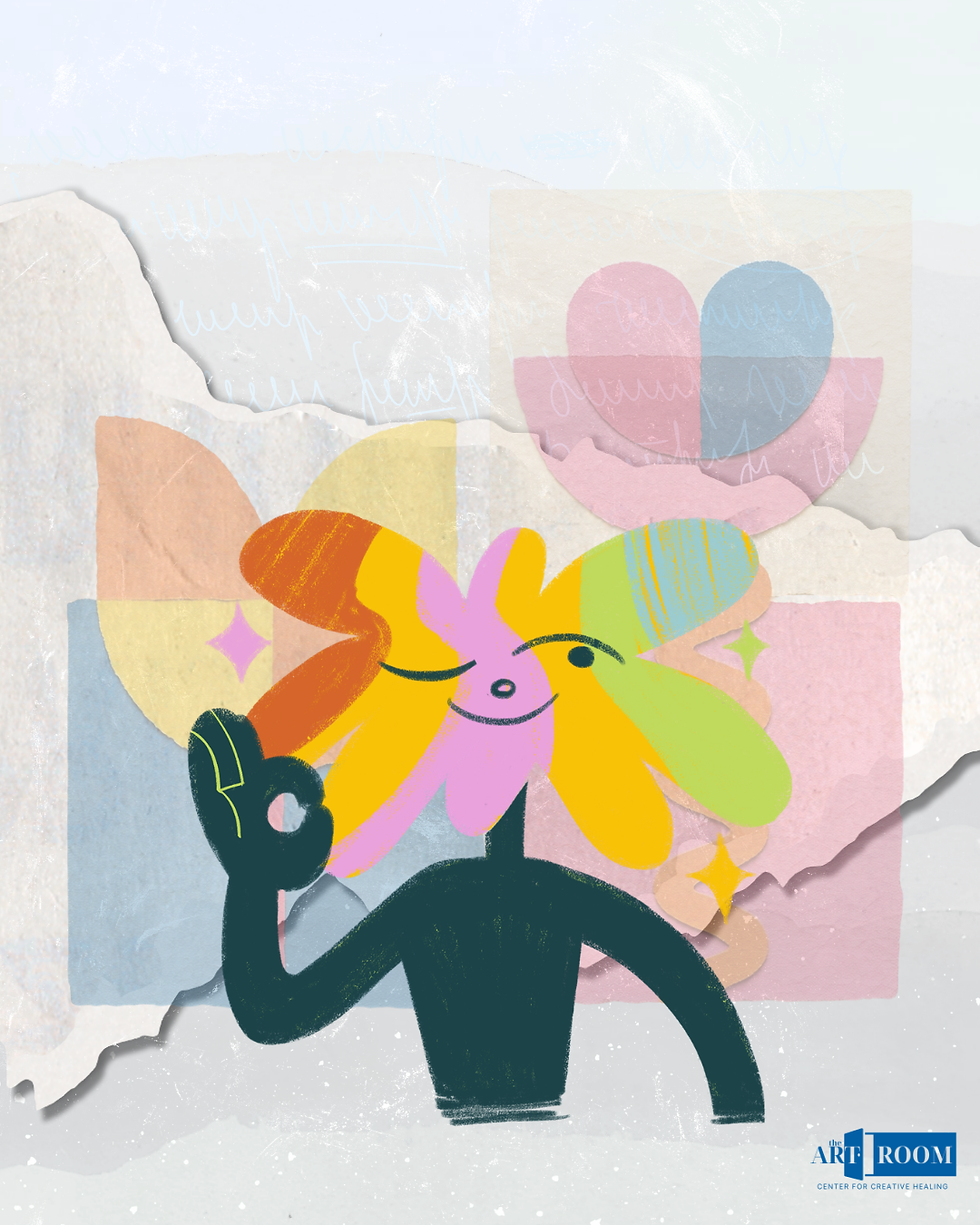
At The Art Room, we support adults who are late-diagnosed, self-questioning, or processing the emotional impact of finally understanding themselves more clearly. We believe grief deserves room here too — not just the relief, not just the insight, but the ache of what went unseen for too long.
If you are processing relief, anger, and lost time all at once, learn how we support adults navigating late-diagnosed neurodivergence and masking.


Comments