


Is It Defiance or Overwhelm? What May Be Happening Underneath the Behavior

When a child argues about everything, refuses simple requests, slams doors, shuts down, or reacts intensely to what seems like a basic limit, many parents end up asking the same question:
Is this defiance, or is something else going on?
It is a painful question, because it usually comes up in moments when everyone is already flooded. You are trying to help, set a boundary, or move the day along. Your child seems oppositional, reactive, or impossible to reach. You feel frustrated, maybe even disrespected. They seem angry, stubborn, or checked out.
And underneath all of that, both of you may be feeling misunderstood.
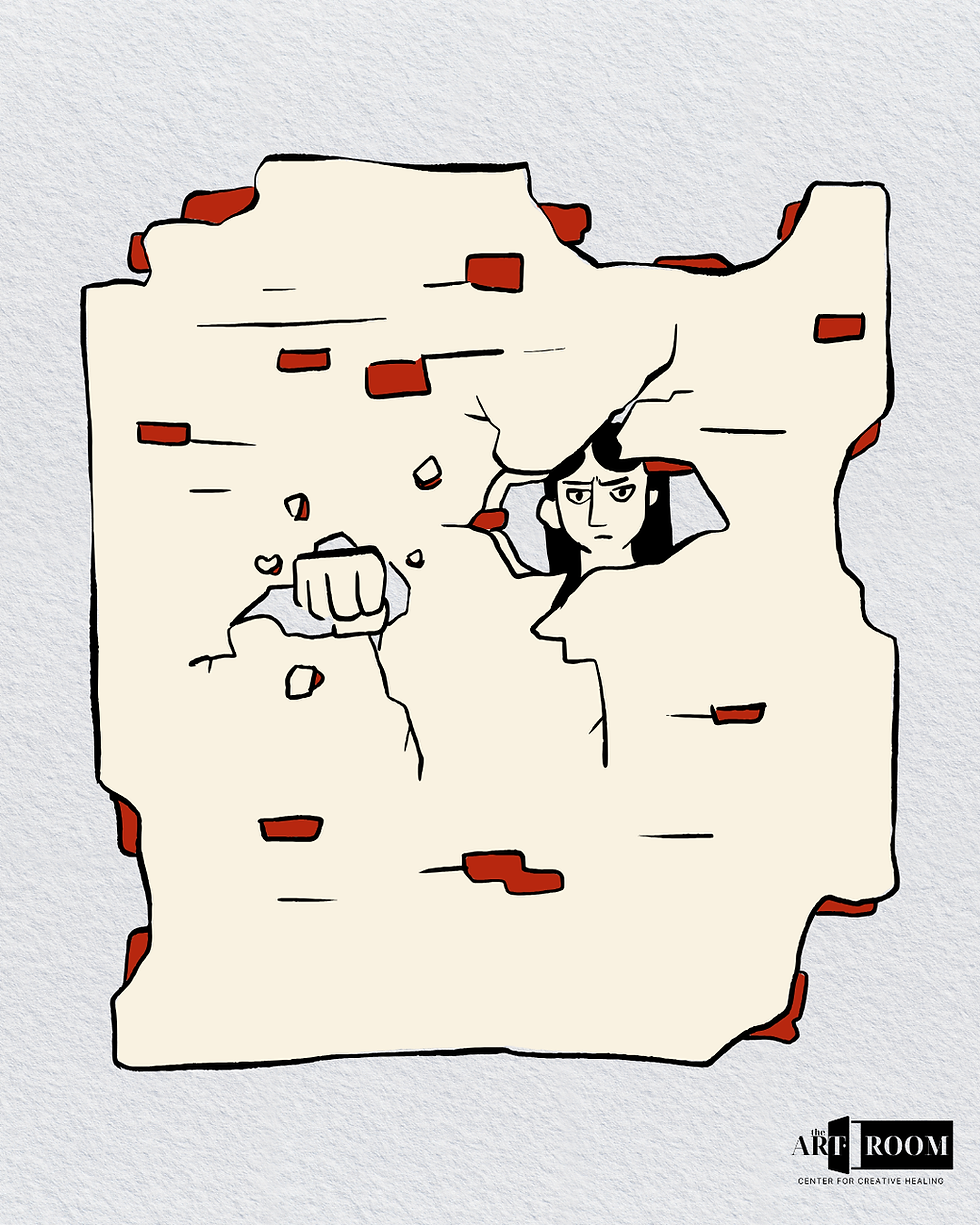
Sometimes behavior is intentional resistance. Kids and teens are still humans with preferences, moods, and limits, and not every conflict needs to be pathologized. But many of the behaviors adults label as defiance are actually signs of overwhelm.
That is especially true for young people who are neurodivergent, emotionally sensitive, highly stressed, or using a lot of energy just to get through the day.
Overwhelm can look surprisingly similar to refusal.
A child may say no, argue, ignore you, lash out, or completely shut down. From the outside, it can look like they are choosing not to cooperate. On the inside, they may be flooded, dysregulated, ashamed, overstimulated, confused, or past the point where they can think clearly enough to do what is being asked.

When the nervous system is overloaded, flexibility drops fast.
That is why a request that might have been manageable an hour ago suddenly becomes impossible. That is why a transition turns into a power struggle. That is why what looks like “attitude” can sometimes be a stress response.
The hard part is that overwhelm is not always obvious.
Some kids cry openly. Others yell, stomp, slam, or argue. Others go quiet, blank, or rigid. Some look explosive. Others look dismissive. Some seem rude when they are actually overloaded. Some appear not to care when they are, in fact, trying very hard not to fall apart.
This can leave parents feeling trapped in a cycle. The child’s reaction feels disrespectful or oppositional, so the adult increases pressure, consequences, or correction. The child becomes even more overwhelmed. The conflict escalates. Everyone walks away feeling worse.


That cycle does not mean boundaries are bad. It means timing and understanding matter.
A nervous system in overload does not learn well from shame, lectures, or more intensity. In those moments, connection and regulation usually matter more than getting compliance immediately. Not because expectations do not matter, but because a flooded child often cannot access the skills adults are asking them to use in that exact moment.

One helpful question is not just, How do I stop this behavior? but also, What is happening underneath it?
Are they hungry, overstimulated, exhausted, embarrassed, or already carrying stress from earlier in the day? Are they struggling with transitions, sensory input, or the pressure of being perceived? Are they masking in other environments and unraveling at home? Are they being asked to do something reasonable at a moment when their system has no capacity left?
None of this means a parent has to excuse everything. It means understanding that behavior is communication.
And when we miss the message underneath the behavior, we often end up responding only to the surface.

Many parents need support learning how to tell the difference between a child pushing back and a child going into overwhelm. The answer is not always perfectly clear in the moment. But over time, patterns begin to emerge. You may notice that conflict spikes after school, during transitions, with sensory stress, around homework, or after a day full of social demand. You may notice your child is more likely to “defy” when they are embarrassed, rushed, or already overloaded.
That information matters because it shifts the goal from controlling behavior to understanding what support is actually needed.

Therapy can help with this.
It can help young people develop more awareness of their feelings, body cues, and triggers before they hit the wall. It can also help caregivers see behavior through a more compassionate, nervous-system-informed lens without giving up healthy boundaries. The goal is not permissiveness. The goal is responding in ways that actually reduce the cycle instead of intensifying it.
At The Art Room, Madison specializes in working with tweens, teens, and young adults whose big emotions are often misunderstood as attitude, defiance, or overreacting. She helps young people build more language for what is happening inside and support families in understanding the deeper story underneath the behavior.
If you are stuck wondering whether it is defiance or overwhelm, learn about neuro-affirming therapy for big emotions.


Comments