


Why Some Kids Hold It Together All Day and Melt Down at Home
- theartroomcch
- Apr 16
- 3 min read
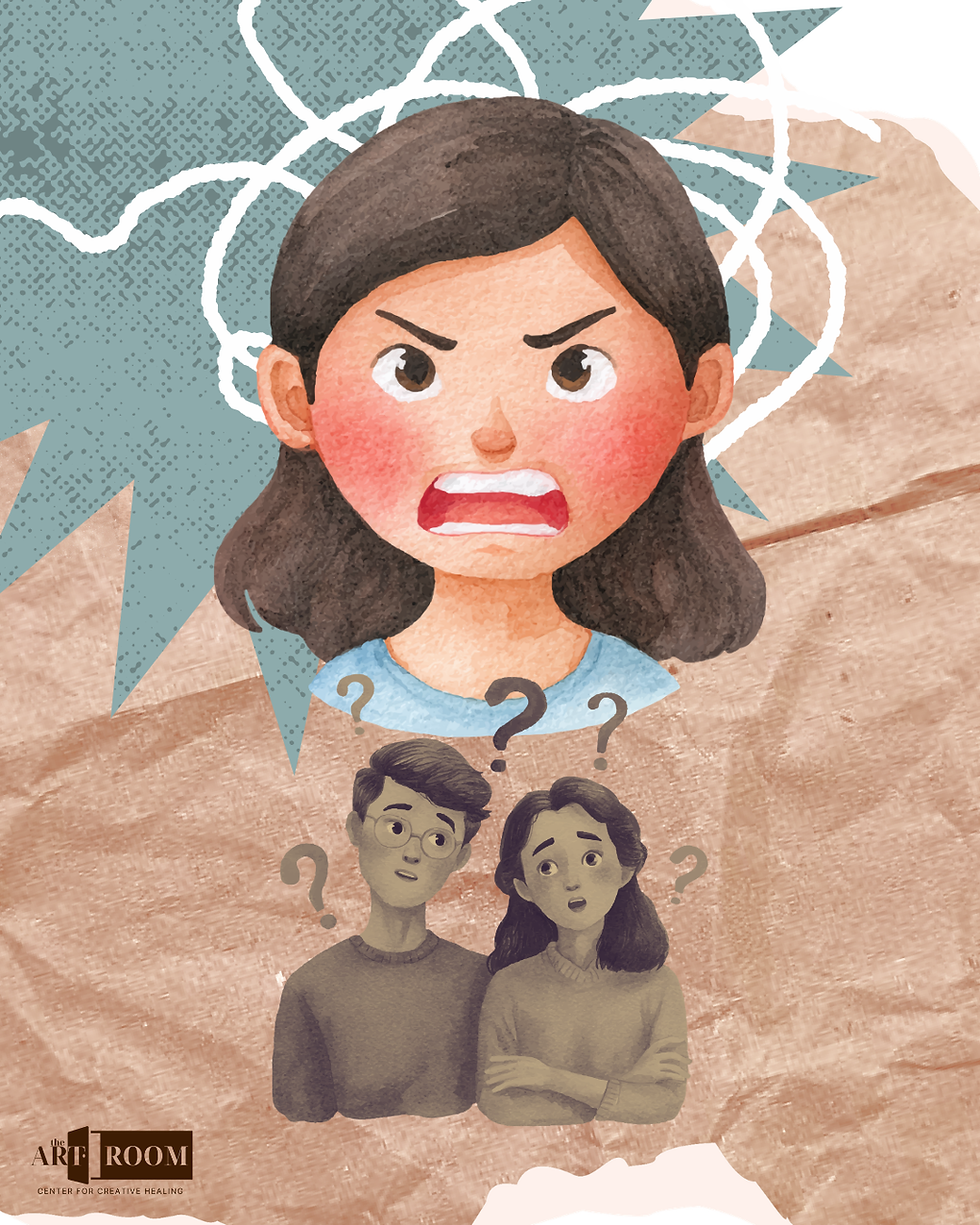
Many parents have had this thought at least once: If my child can hold it together at school, why do they fall apart with me?
It is one of the most painful parenting questions because it can land like rejection. You are the one showing up, helping, trying, caring — and somehow home is where the biggest emotions come out.
The truth is, many kids fall apart at home, not because home is the problem, but because home is where they finally stop holding everything in. For many young people, especially those who are neurodivergent, highly sensitive, anxious, or feeling heavy pressure to perform, getting through the day takes a tremendous amount of effort. They may be managing sensory input, transitions, social expectations, academic demands, uncertainty, masking, and the constant work of being perceived. Even if they look “fine,” their system may be working overtime.

Some kids cope by holding everything together in public.
They stay quiet. Try hard. Follow directions. Keep the lid on. Push through discomfort. Act more flexible than they actually feel. They may spend the entire day trying to avoid standing out, disappointing someone, or losing control in a setting that does not feel safe enough for them to unravel.
Then they get home.
And suddenly, the irritability, tears, yelling, defiance, collapse, or total shutdown begins. This can be deeply confusing for caregivers, especially when teachers describe the child as pleasant, cooperative, or doing well. It can make parents feel like they are doing something wrong or like no one fully believes how hard things are at home.
But many children save their hardest moments for the places where their nervous systems finally feel safe enough to let go.
That does not mean it feels safe for you. The impact on caregivers is real. It is exhausting to feel like every afternoon turns into damage control. It is painful to be the one who gets the sharp edges. But understanding the pattern can help shift the question from “Why are they doing this to me?” to “What has their system been carrying all day?”


For some kids, home meltdowns are about sensory overload finally catching up to them. For others, it is the emotional cost of masking, social effort, and constant self-monitoring. For some, it is the accumulated stress of transitions, demands, and trying to perform competently for hours at a time. Often, it is a mix of all three.
The trigger that sets things off at home is often not the real cause.
It may look like the wrong snack, a sibling making noise, being asked about homework, or one small disappointment. But the real issue is usually that the system was already maxed out long before that moment.
This is one reason discipline alone often does not solve the problem.

If a child is unraveling because they are overloaded, more pressure can intensify the cycle rather than resolve it. What often helps more is building a gentler landing space after school: less immediate questioning, fewer demands at first, more predictability, sensory comfort, food, movement, quiet, or whatever helps that specific child begin to recover.
It also helps to let go of the idea that big emotions at home mean a child is manipulative or choosing to be their “worst self” with you. In many cases, it means they have spent the day working incredibly hard to keep it together somewhere else.
Therapy can help when this pattern is frequent or intense.
It can help young people understand their overwhelm sooner, build language for what is happening inside, and find ways to express distress before it explodes or collapses. It can also help caregivers better understand the behavior they are seeing so home can become less reactive and more supportive.
At The Art Room, we work with tweens, teens, and young adults who mask hard, get overwhelmed easily, or seem to unravel most in the places where they are loved the most. We also support parents who are trying to hold compassion and exhaustion at the same time.


If home is where everything falls apart, that does not mean you are failing. It may mean your child has been working much harder than anyone can see. If your child holds it together all day and melts down at home, explore support for neurodivergent young people with big emotions.


Comments