


Trauma in Men: The Signs We Don’t Always Recognize

A lot of men do not relate to trauma language right away.
They do not necessarily think of themselves as traumatized. They may not have one story they tell themselves fits the category. They may associate trauma with something dramatic, visible, or unmistakable — and if their life does not match that image, they assume the word does not apply.
But trauma does not always look the way people expect.
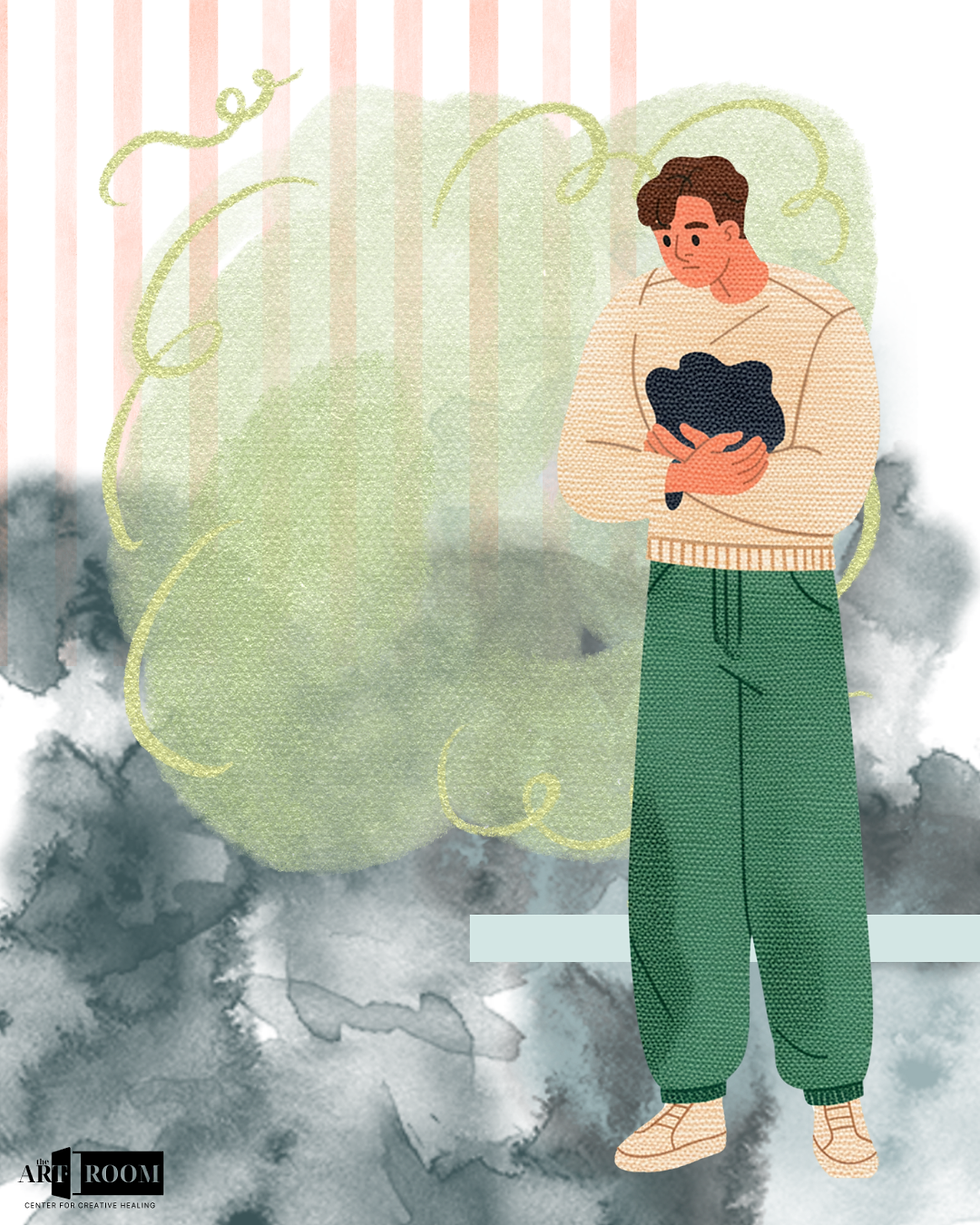
Especially in men.
Sometimes trauma looks like always being on edge. Sometimes it looks like anger, shutting down, emotional distance, overwork, numbness, or the feeling that you can never fully relax.
Sometimes it looks like carrying a lot of pressure and not knowing why everything feels so hard, even when you are functioning on the outside.
That is part of why trauma in men can go unnoticed for so long.

What other people may call stress, irritability, stoicism, workaholism, avoidance, or relationship problems can sometimes be the long-term shape of a nervous system that learned to survive under strain.
Trauma is not always one catastrophic event.
Sometimes it is what happened repeatedly over time. Sometimes it is what did not happen when support, protection, or emotional steadiness was needed. Sometimes it is instability, chronic criticism, emotional neglect, relational pain, or the pressure to survive by staying useful, contained, or hard to read.

When those experiences happen early or repeatedly, they can shape how a man moves through the world long after the original conditions have changed.
He may become highly self-reliant because relying on others never felt safe. He may stay emotionally shut down because vulnerability once came with pain or shame. He may throw himself into work because busyness feels more manageable than feeling. He may struggle in relationships because closeness brings up tension, distrust, or the fear of being let down. He may stay in a state of low-level activation for so long that it just feels like his personality.

This is one reason trauma can be hard to recognize.
It often hides inside coping that looks functional.
A man may be getting things done, showing up, working hard, and meeting expectations. But underneath, he may feel tired all the time, irritated easily, disconnected from himself, or unable to stop bracing for the next thing.
He may not think “trauma” — he may just think, "this is how I am."
But “this is how I am” is sometimes really “this is how I learned to survive.”

When men only see the outer pattern — the anger, distance, overwork, shutdown, perfectionism, or restlessness — they often blame themselves for it. They think they are failing at relationships, bad at feelings, or just wired wrong.
But many of those patterns make sense in context.
Therapy can help uncover that context without turning a man’s life into a stereotype or asking him to identify with language that does not fit. It can help him notice what his body has been doing to stay safe, what those strategies protected him from, and how they may still be shaping his life now.

It can also help reduce the shame that builds when survival patterns are mistaken for character flaws.
At The Art Room, we work with men whose trauma often does not look obvious from the outside. If you have spent years carrying pressure, distance, anger, shutdown, or chronic overwork without understanding why it feels so hard to let go, therapy can help make sense of the deeper story.
If your survival patterns feel bigger than “just stress,” learn more about therapy for men navigating trauma and survival patterns.


Comments