


I Love My Child. Why Does This Still Feel So Hard?

This is one of the most painful questions many parents carry after a child’s diagnosis:
I love my child so much. So why does this still feel so hard?
The question itself often comes with shame because many parents believe that if their love is real enough, strong enough, steady enough, then the emotional difficulty should somehow soften.
They think love should cancel out grief. Or erase fear. Or make the overwhelm feel more manageable. But as much as we wish it would, love does not make hard things stop being hard.
Love means you carry these hard things with a full heart.

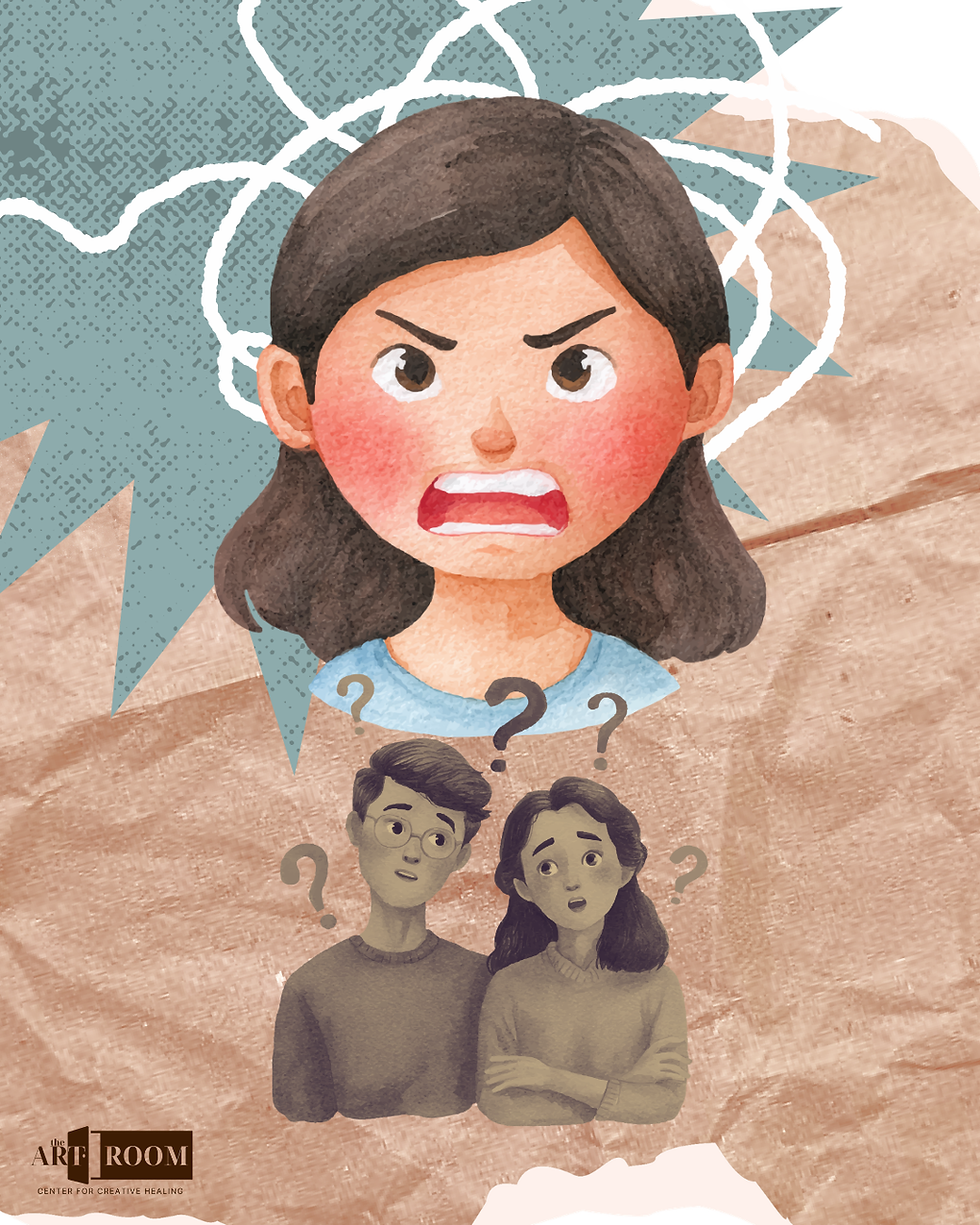
Many parents deeply love their child and still feel overwhelmed, changed, grief-struck, exhausted, or emotionally undone by what the diagnosis has stirred up. Those experiences do not contradict each other.
They often grow side by side.
You may love your child fiercely and still feel afraid of what the future will ask of them. You may love your child deeply and still feel heartbroken by what they have already endured. You may feel gratitude for clarity and still ache from the emotional impact of everything that comes with it. You may be proud of your child, committed to them, and all-in — and still feel like your own nervous system is hanging on by a thread.
That does not make you selfish. It makes you human.

A child’s diagnosis often affects much more than the child alone. It affects the whole emotional ecosystem of the family. It changes routines, expectations, conversations, school experiences, relationships, and the inner lives of parents who are trying to process all of it while still showing up day after day.
And because parents are often in action mode, they do not always notice how deeply it is affecting them until they are already worn thin.
Sometimes “this is hard” means logistics. Sometimes it means grief. Sometimes it means the emotional labor of constant advocacy. Sometimes it means guilt, helplessness, or the fear of getting things wrong. Sometimes it means loneliness — feeling like other people do not really understand what this is like from the inside.
And most times, it means all of those things at once.

One of the reasons this experience can feel so confusing is that the emotional pain does not usually point to a lack of love. It points to the depth of your investment. To how much your child matters to you. To how much you wish you could protect them, support them, and make the road smoother than it is.
That kind of love can be beautiful. It can also be exhausting when it is carrying too much alone.
There is also often a layer of self-judgment underneath the question. Parents may think, If I’m struggling this much, maybe I’m not coping well enough.


Maybe I should be stronger. Maybe I should be more grateful. Maybe other parents handle this better.
But struggling does not mean you are doing it wrong. It may simply mean you have been carrying a lot for a long time without enough space to process the emotional cost.
Therapy can help make sense of that cost.
It can give you a place to feel what has been hard without turning your pain into proof that something is wrong with your love. It can help you understand how grief, fear, advocacy fatigue, identity changes, and nervous-system overload may all be shaping your experience.
It can also help you reconnect with yourself so that caregiving does not require you to disappear entirely.
At The Art Room, we support parents who love their children deeply and are still feeling overwhelmed by the emotional impact of diagnosis. If you have been judging yourself for how hard this feels, therapy can help you hold both truths at once: your love is real, and this is still hard.
If you are carrying complicated feelings after diagnosis, explore therapy for parents navigating grief, guilt, and overwhelm.


Comments